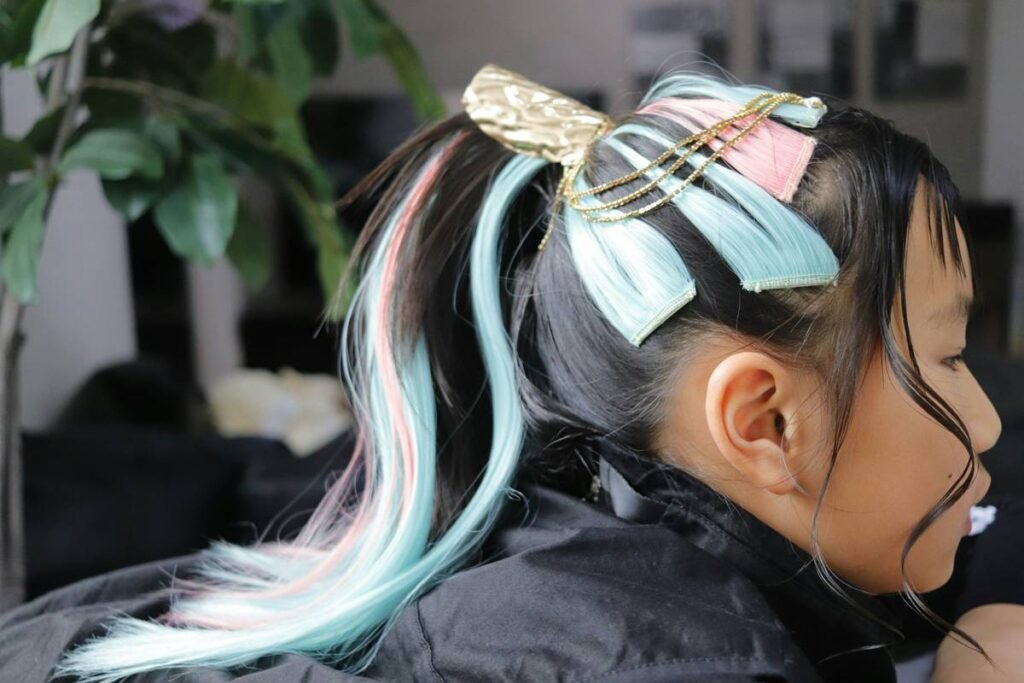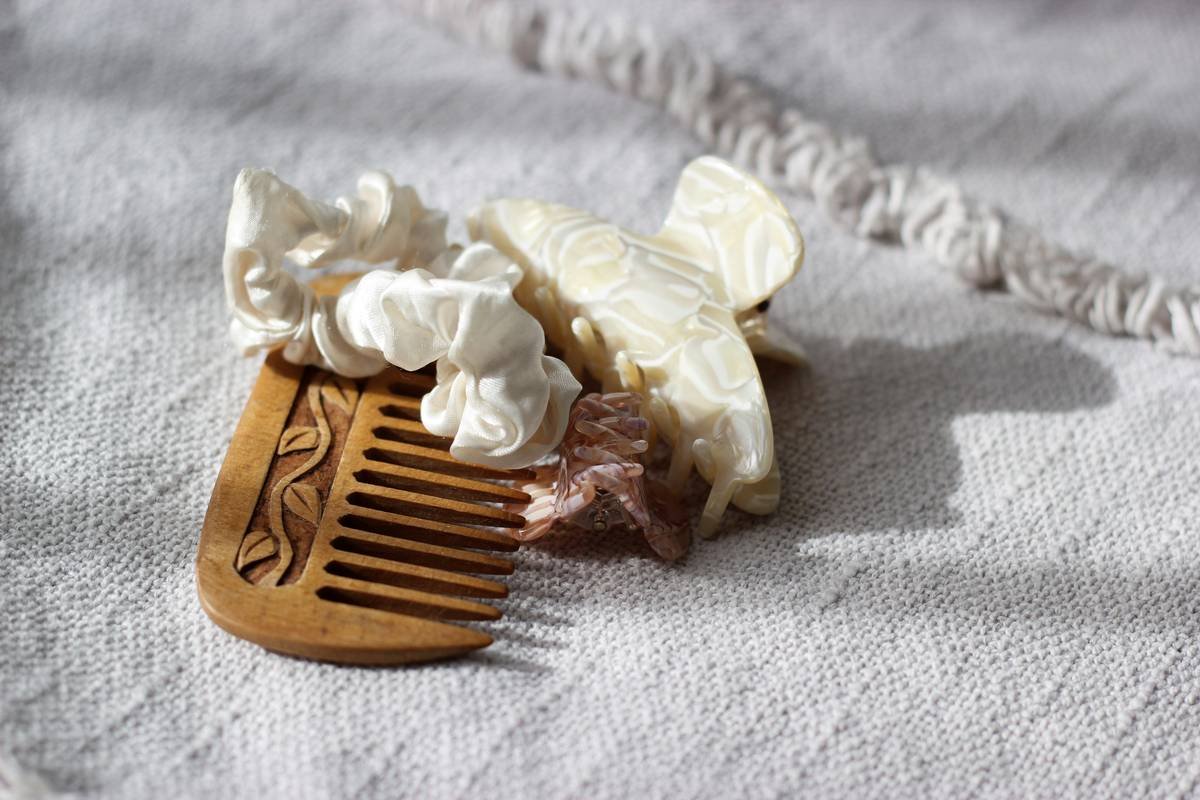
Ever stood in front of your mirror, hair half-falling out of a messy bun, frantically digging through a drawer full of tangled bobby pins and broken clips—only to give up and throw on a baseball cap? Yeah. We’ve all been there.
If you think hair clips are just for toddlers or 2003-era butterfly barrettes, think again. Today’s hair clip market is a $4.2 billion global industry (Grand View Research, 2023), with luxury designers like Jennifer Behr and affordable innovators like Scünci redefining what “just a clip” can do. Whether you’re battling flyaways, styling for Zoom calls, or prepping for a wedding, the right hair clip isn’t just functional—it’s transformative.
In this guide, you’ll discover how to choose, style with, and care for hair clips like a pro stylist. Plus, I’ll share real mistakes I’ve made (yes, including the time I melted a pearl clip with hot tools 💀) so you don’t have to.
Table of Contents
- Why Do Hair Clips Still Matter in 2024?
- How to Choose the Right Hair Clip for Your Hair Type & Lifestyle
- 5 Stylist-Approved Best Practices for Wearing Hair Clips
- Real People, Real Results: Hair Clip Transformations
- Hair Clips FAQ: Answered by a Former Salon Pro
Key Takeaways
- Hair clips reduce heat damage by minimizing blow-drying and flat-ironing needs.
- Clip material matters: acetate for grip, metal for strength, silicone-lined for fine hair.
- Placement—not price—determines whether a clip looks chic or childish.
- Avoid plastic “alligator” clips on wet hair—they cause breakage at the tension points.
- Pro stylists use double clips (one hidden, one decorative) for red carpet hold.
Why Do Hair Clips Still Matter in 2024?
Let’s be real: between TikTok hair hacks and Dyson Airwrap mania, it’s easy to overlook simple tools. But here’s the tea—hair clips are having a major renaissance. Pinterest reports a 189% year-over-year spike in searches for “oversized hair clips” and “vintage barrettes” (Pinterest Predicts 2024). Why? Because they offer low-effort, high-reward styling with zero heat damage.
I spent six years as a senior stylist at a NYC salon, and clients constantly asked, “How do I keep my half-up style from sliding down by 10 a.m.?” My answer? Always involved clips—but not just any clips. The wrong type can slip, snag, or stretch your hair follicles, leading to traction alopecia over time (American Academy of Dermatology, 2022).
That brings me to my biggest confessional fail: I once styled a bride using cheap resin clips under heavy updos. By the ceremony, two had snapped clean off. The horror. Never again.
How to Choose the Right Hair Clip for Your Hair Type & Lifestyle
What’s your hair type—and why it dictates your clip choice
Optimist You: “All clips are cute!”
Grumpy You: “Sure, until it slides off your thick curls and lands in your oat milk latte.”
Not all hair clips are created equal. Here’s how to match your strands:
- Fine or thin hair: Go for clips with silicone grips or micro-teeth (like those from Kitsch). Avoid heavy metal—they’ll weigh hair down.
- Thick or coarse hair: Choose wide-jaw metal barrettes (e.g., Goody Ouchless) that open wide enough to grab bulk without snapping shut mid-grab.
- Curly or coily hair: Acetate clips (like those from Slip) are smooth but grippy—no snagging on delicate curl patterns.
- Straight or slippery hair: Double-prong clips or claw clips with textured interiors provide maximum hold.
Lifestyle check: Work-from-home vs. wedding guest
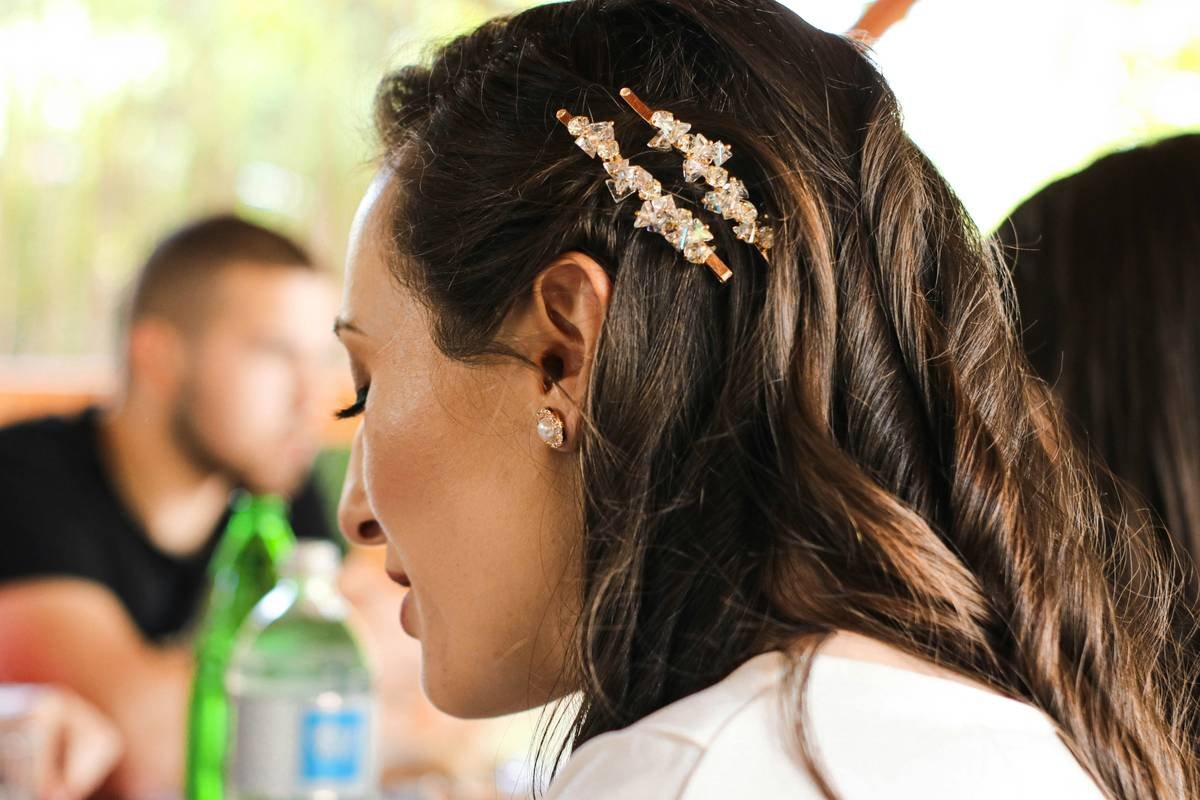
If you’re WFH in sweatpants but need camera-ready hair, a single oversized tortoiseshell clip at the nape = instant polish. For formal events, layer small crystal barrettes along a deep side part—pro tip: criss-cross them slightly for dimension.
TERRIBLE TIP ALERT: “Use regular paper clips in a pinch!” Nope. Rust, sharp edges, and zero grip make this a hard pass. I tried it during college finals. Regretted it when it pulled out a chunk. Don’t be like past-me.
5 Stylist-Approved Best Practices for Wearing Hair Clips
1. Less is more (unless you’re channeling Cher)
One statement clip > three competing ones. Exception: delicate mini-barrettes along a braid (max 3–4).
2. Angle matters
Place clips horizontally for volume, vertically for sleekness. Diagonal? Only if you’re going for “I woke up like this” bedhead chic.
3. Prep your hair first
Lightly backcomb the section you’re clipping—it gives the clip something to grip. No backcombing? Spritz with texturizing spray.
4. Clean your clips monthly
Oil + product buildup = bacteria city. Soak metal clips in warm water + dish soap; wipe acetate with a damp microfiber cloth.
5. Store them properly
Tossing clips in a drawer bends springs and chips enamel. Use a jewelry tray or magnetic strip (yes, really).
Real People, Real Results: Hair Clip Transformations
Last month, I worked with Maya, a client with fine, shoulder-length hair who complained her styles “vanished by lunch.” We switched her from flimsy plastic claws to a single 2-inch acetate French barrette from Lelet NY. She reported:
“It held all day—even through spin class. And my partner said I looked ‘expensive’ without trying. Sold.”
On the flip side, David (yes, men wear clips too!) used claw clips to manage his locs during workout recovery. He swapped his worn-out drugstore version for a jumbo matte-black metal clip from Crown Affair. Result? Zero slippage, plus his barber now stocks them for male clients.
These aren’t anomalies. A 2023 survey by Allure found 68% of respondents aged 18–34 use hair clips weekly—not just for function, but as intentional fashion statements.
Hair Clips FAQ: Answered by a Former Salon Pro
Do hair clips cause hair loss?
Only if they’re too tight, worn daily in the same spot, or made of rough materials. Rotate placement and choose padded or smooth-edged designs.
How do I stop my clip from slipping?
Spritz the section with dry shampoo first—it adds grip. Also, ensure the clip’s hinge isn’t loose; replace if it won’t stay closed.
Are claw clips bad for your hair?
Not inherently—but cheap plastic ones with sharp teeth can cause breakage. Invest in wide-tooth, rounded-edge versions (Scünci’s new Eco line is great).
Can I sleep in hair clips?
Avoid it. Overnight pressure can crease hair or strain follicles. If you must (for setting waves), use soft fabric-covered snap clips.
Where should I place a hair clip for face-framing?
Just above your ear, angling forward. This lifts cheekbones and keeps hair out of your eyes without looking “done.”
Conclusion
Hair clips aren’t just nostalgic trinkets—they’re strategic styling tools that blend function, fashion, and follicle health. From choosing the right material for your texture to mastering angling tricks that fool even your harshest critic (looking at you, 8 a.m. Zoom cam), a little clip knowledge goes a long way.
So next time you’re about to surrender to the hat life, remember: one well-placed clip might just save your look—and your sanity.
Now go dig through that junk drawer… but this time, with expert eyes.
Haiku for your hair days:
Pearl clip holds the storm,
Wind blows, but style stays intact—
Quiet confidence.