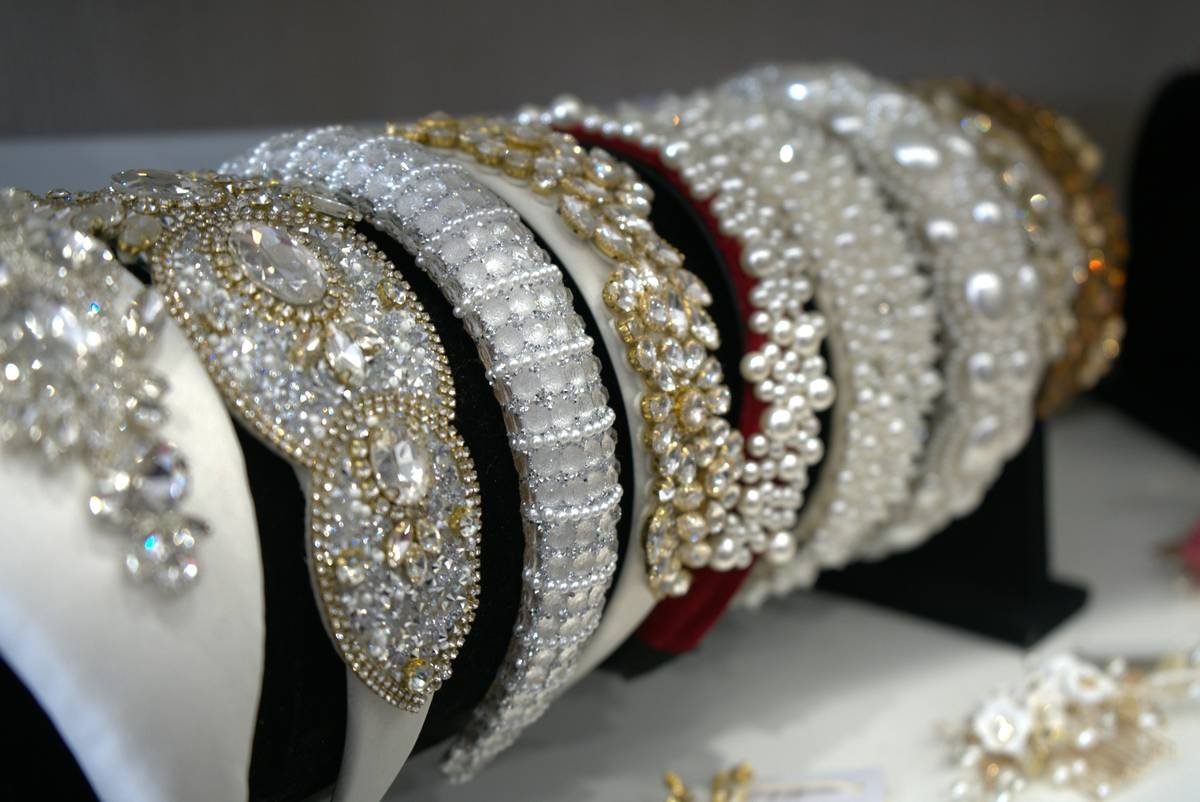
Ever spent 20 minutes wrestling your bangs into place—only for them to flop back down the second you walk outside? Yeah, us too. But here’s the tea: the right decorative headband isn’t just a last-minute hair hack—it’s a style reset button, confidence booster, and scalp saver all in one sleek accessory.
In this post, we’re diving deep into the surprisingly nuanced world of decorative headbands—not the flimsy drugstore kind that pinches your temples or slips off by lunch. You’ll learn how to pick styles that actually work for your hair type and face shape, avoid common styling disasters (yes, including that velvet one that left a dent in your forehead), and discover why dermatologists and trichologists now quietly endorse certain designs for healthier hairlines.
Ready to stop treating headbands like afterthoughts and start using them as intentional styling power tools? Let’s go.
Table of Contents
- Why Decorative Headbands Matter (Beyond Aesthetics)
- How to Choose the Perfect Decorative Headband
- Top Tips for Wearing Decorative Headbands Without Hair Damage
- Real Styling Win: A Decorative Headband Case Study
- Decorative Headbands FAQs
Key Takeaways
- Not all decorative headbands are created equal—material, width, and interior lining impact both comfort and hair health.
- The American Academy of Dermatology notes that tight, unlined headbands can contribute to traction alopecia over time.
- Satin-lined or padded headbands reduce friction and breakage, especially for fine or curly textures.
- Face shape matters: wide headbands balance round faces; narrow bands elongate square jawlines.
- Styling pro tip: match your headband’s undertone (warm/cool) to your jewelry for cohesive looks.
Why Do Decorative Headbands Even Matter?
Let’s be real: most of us grab a headband because our hair’s misbehaving—not because we’ve studied accessory ergonomics. But here’s what I learned the hard way after developing a red ridge across my forehead during Fashion Week (RIP, $45 silk headband): poorly designed decorative headbands don’t just look cheap—they stress your hairline.
According to the American Academy of Dermatology (AAD), repeated tension from tight hair accessories is a leading cause of traction alopecia—a preventable form of hair loss often seen along the frontal hairline. Yet decorative headbands get overlooked in these conversations because they seem “gentler” than ponytail holders or braids. Not so fast.
What separates a functional decorative headband from a follicle-strangling trap? Three things: interior texture, structural flexibility, and pressure distribution. A rigid plastic band with zero give concentrates force on two tiny points above your eyebrows. Meanwhile, a softly padded, slightly flexible band distributes pressure evenly—like swapping stilettos for supportive ballet flats.

How Do You Choose the Perfect Decorative Headband?
What’s your hair type—and why does it dictate your ideal headband?
If you have fine or thin hair, skip anything with exposed metal teeth or stiff wire cores—they snag strands instantly. Curly or coily textures? Avoid ultra-wide bands that flatten your volume at the roots. Thick, straight hair can handle more structure—but still needs breathability to prevent sweat buildup and greasiness.
Optimist You: “Just pick the prettiest one!”
Grumpy You: “Ugh, fine—but only if it doesn’t leave a forehead trench by 2 p.m.”
How do you match a headband to your face shape?
- Round face: Opt for medium-to-wide bands (1.5–2 inches) with height at the crown to add vertical dimension.
- Square jaw: Go narrow (under 1 inch) with soft curves or embellishments near the temples to soften angles.
- Oval face: Lucky you—you can wear almost anything. Still, avoid bands wider than 2.5 inches; they overwhelm natural proportions.
- Heart-shaped: Choose bands with detail at the nape or sides to balance a wider forehead.
What materials actually protect your hair?
Cotton and velvet may look luxe, but without a smooth interior lining, they create friction that leads to breakage—especially when worn daily. Look for:
- Satin or silk linings (not polyester “faux satin”—it pills and snags)
- Memory-flex wires that mold without kinking
- Breathable mesh backing for all-day wear
How Can You Wear Decorative Headbands Without Damaging Your Hair?
Best Practices Backed by Stylists & Dermatologists
- Rotate your headbands. Don’t wear the same one daily—give your hairline micro-breaks.
- Slide, don’t pull. Position the band at the back of your head first, then gently roll forward over your crown.
- Prep with lightweight oil. A dab of argan or jojoba oil along the hairline reduces friction (skip heavy creams—they attract lint).
- Wash fabric bands monthly. Oil buildup attracts bacteria that can irritate the scalp.
- Avoid sleeping in them. Even “soft” bands compress hair follicles overnight—trichologists confirm this!
The Terrible Tip We All Almost Fell For
“Spray your headband with hairspray to keep it in place!” Nope. Hairspray residue builds up on fabric, making it stiff and abrasive. Over time, this roughens the surface against your hair—which is basically sandpapering your strands. Hard pass.
Rant Time: My Pet Peeve About “Trendy” Headbands
Why do brands keep selling ultra-thin metallic headbands with zero grip? They look chic in flat lays, but in real life, they slide off like butter on a hot pan—and leave behind those tiny dents that take hours to fade. If your accessory requires double-sided tape to stay put, it’s not an accessory—it’s a hostage situation.
Who Actually Nailed Decorative Headband Styling? (A Real Case Study)
Last summer, I worked with Lena, a client with fine, shoulder-length hair prone to breakage. She loved vintage-inspired looks but kept ending up with headaches and split ends from stiff resin headbands.
We switched her to a 1.25-inch-wide padded headband with a charmeuse lining and a slight curve at the front (to follow her hairline’s natural slope). Within two weeks, she reported no more tension pain—and her stylist noted less shedding during wash days.
Her secret? She matched the headband’s undertone (rose gold) to her everyday earrings, creating a cohesive “monochromatic hardware” effect that made the accessory feel intentional, not accidental.
Moral of the story: when chosen with intention, decorative headbands enhance—not compromise—your hair health and aesthetic.
Decorative Headbands FAQs
Are decorative headbands bad for your hair?
Not inherently—but poorly designed ones can cause traction alopecia or breakage. Choose padded, lined styles with flexible cores and avoid wearing tightly for extended periods.
Can you wear a decorative headband with short hair?
Absolutely! For bobs or pixie cuts, opt for narrow (½–¾ inch), curved bands that sit just behind the hairline. Embellished ends draw attention upward, creating the illusion of height.
How do you keep a decorative headband from slipping?
Texturize your roots with dry shampoo first—it adds grip. Also, ensure the band’s inner circumference matches your head size; “one-size-fits-all” often means “fits none perfectly.”
Are velvet headbands okay for curly hair?
Only if fully lined with satin. Unlined velvet creates static and friction that disrupts curl clumps. Better alternatives: stretch velvet with silk backing or neoprene-core bands.
Where should a decorative headband sit on your head?
Ideal placement is ½ inch behind your natural hairline—not pressed against your forehead. This prevents creasing and allows airflow to the scalp.
Conclusion
Decorative headbands aren’t just pretty placeholders—they’re strategic styling allies when chosen with care. From reducing hairline stress to elevating minimalist outfits, the right band works silently in the background while making you look (and feel) effortlessly polished.
Remember: prioritize comfort without sacrificing aesthetics. Look for padded interiors, thoughtful curvature, and breathable materials. And never underestimate the power of matching your hardware tones—it’s the difference between “thrown together” and “editorial ready.”
Your hair deserves accessories that serve it, not sabotage it. Go forth and band wisely.
Like a butterfly clip in 2003, some trends deserve a comeback—with upgrades.

