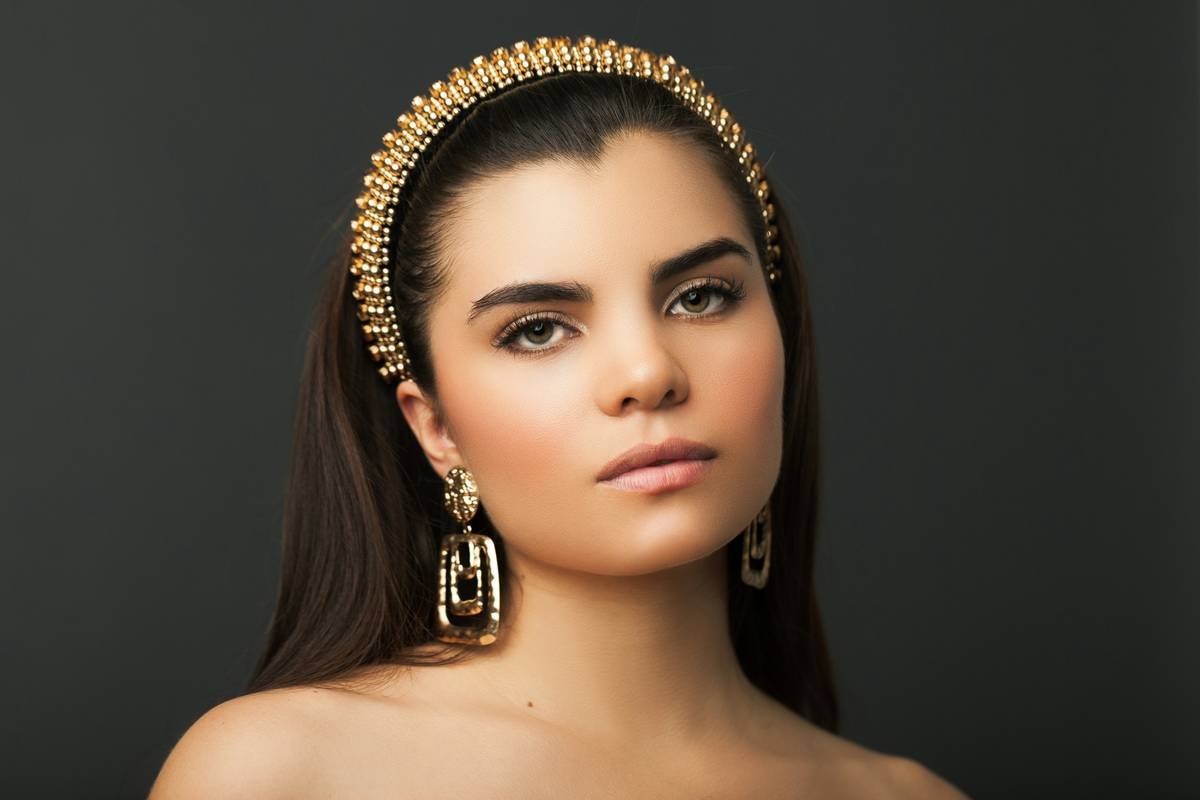
Flimsy clips slip. Cheap metal tugs. And those glittery barrettes from the drugstore? They snag, snap, and vanish by Tuesday. You’re left with half-updos collapsing mid-meeting or frizz escaping during golden hour photos. But what if your hold wasn’t just functional—it was fashion-forward? Enter crystal hair pins: tiny anchors that deliver grip, gleam, and gravitas without compromising integrity.
Why Most Hair Clips Fail (And Why Crystal Hair Pins Don’t)
The average bobby pin bends after three uses. Plastic claws crack under tension. Even “luxury” accessories often prioritize aesthetics over engineering—thin prongs, weak springs, zero torque. You end up layering five clips just to secure a twist.
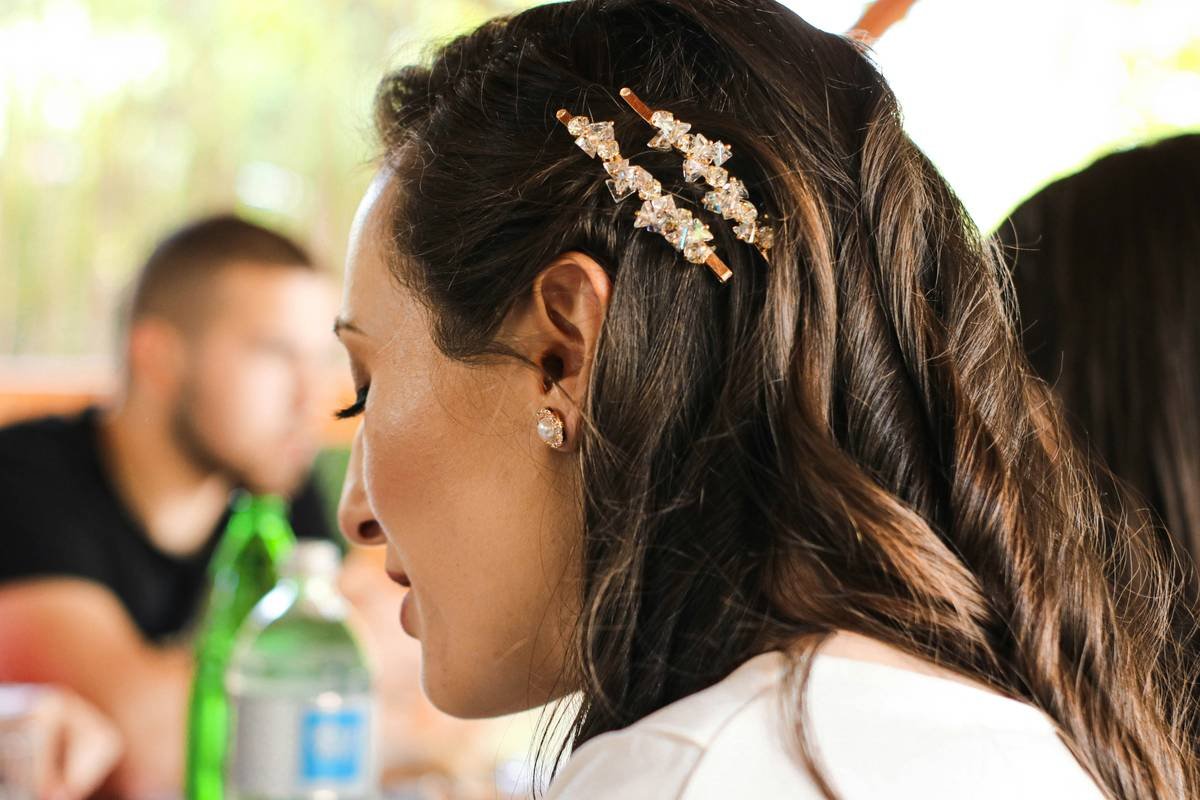
Crystal hair pins sidestep this trap. Not because they’re “fancier,” but because their structural DNA is different. Premium versions embed Swarovski or precision-cut acrylics into tempered steel frames—meaning the decorative element doesn’t weaken the mechanism. It *is* the mechanism. Weight distribution, grip angle, tensile strength—all calibrated so one pin holds what three flimsy ones can’t.
How to Style & Secure Crystal Hair Pins Like a Pro
Selecting the Right Size for Your Hair Type
Fine hair? Go mini—under 1.5 inches. Thick or coarse strands demand 2-inch+ pins with double-prong grips. Curly textures benefit from slightly curved bases that follow coil patterns instead of fighting them.
Placement Techniques That Actually Last
Don’t just jab and hope. Slide the pin in at a 45-degree downward angle—this leverages natural hair tension against gravity. For updos, crisscross two pins in an X-formation; the interlocking pressure creates a lock-and-key hold. And always insert matte-side down; the textured surface bites better than smooth crystal backs.
Avoiding Common Damage Traps
Yanking pins out = split ends. Instead, gently wiggle side-to-side while pulling upward. Also: never sleep in them. Not even “just tonight.” Friction + movement = micro-tears you won’t notice until your ends look like frayed rope.
| Pin Type | Grip Strength | Hair Compatibility | Longevity (Avg. Uses) |
|---|---|---|---|
| Standard Bobby Pin | Low | Fine to Medium | 8–12 |
| Plastic Claw Clip | Moderate (initially) | Medium to Thick | 20–30 (before spring fatigue) |
| Crystal Hair Pins (Tempered Steel Core) | High | All Types (adjust size) | 100+ |
The Industry Secret: Pros Use Them as Invisible Architecture
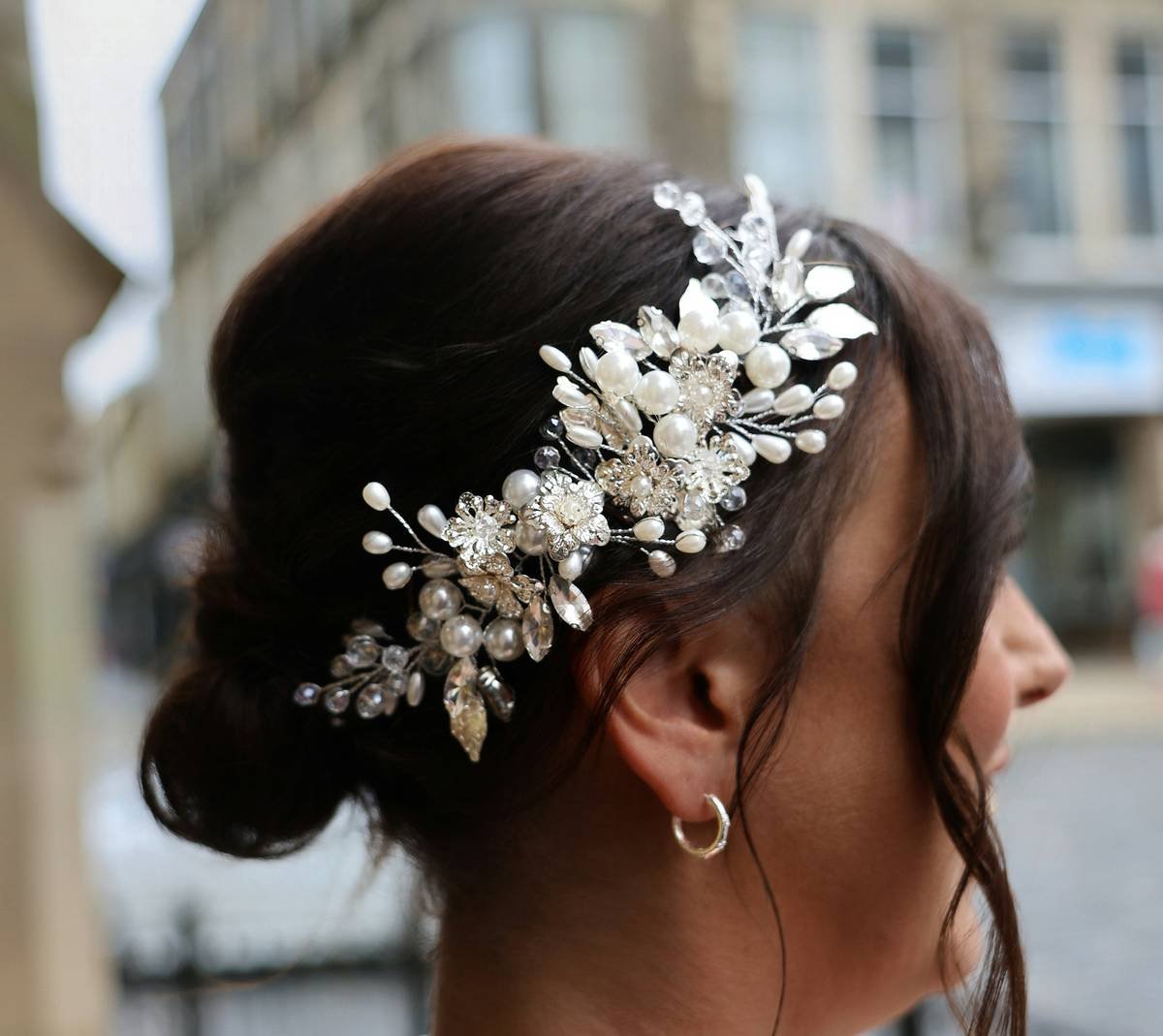
Here’s what salons won’t tell you: crystal hair pins aren’t just for sparkle—they’re stealth scaffolding. Top stylists embed them beneath surface layers to create hidden support beams inside braids, chignons, and even ponytails. One placed at the base of a high ponytail prevents the dreaded “sag drift” by anchoring roots to the scalp’s natural ridge. Another tucked inside a French twist stops rotational unraveling. The crystals? Merely camouflage. The real magic is mechanical—and lasts hours longer than glue-based sprays that stiffen hair into helmet mode.
Think about it: why rely on aerosol when physics and precision do the job cleaner?
FAQ
Do crystal hair pins pull out easily on thick hair?
No—if sized correctly. Use 2-inch pins with dual prongs and insert at a 45° angle. Thicker hair actually provides more resistance for grip.
Can I use crystal hair pins daily without damage?
Yes. Avoid yanking them straight out. Wiggle gently side-to-side during removal to prevent breakage. Never sleep in them.
Are crystal hair pins worth the price?
Absolutely. A single quality pin replaces dozens of disposable clips. At 100+ uses, cost per wear drops below $0.10—plus zero frizz fallout.

