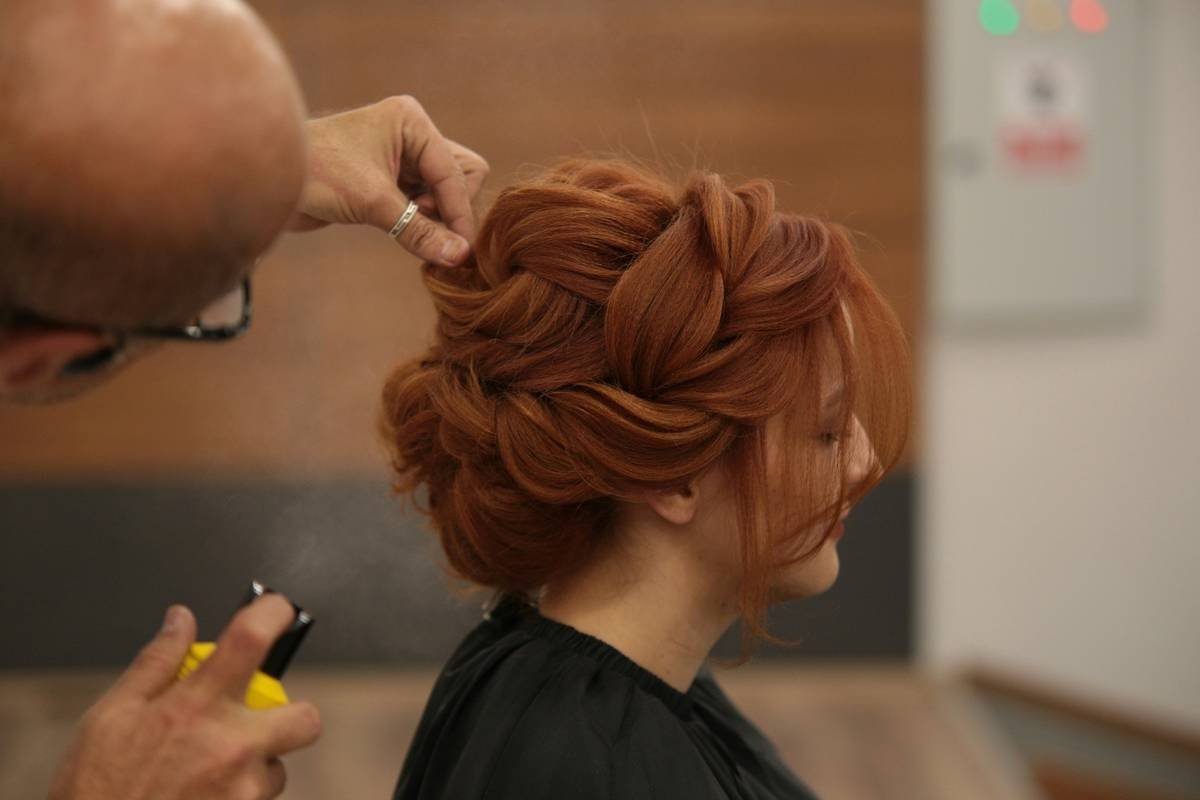
Ever wrestled with a flimsy bobby pin that snaps mid-updo? Or spent 20 minutes crafting the perfect claw clip twist, only for it to ping off your head like a hair grenade? If your “hair styling tools” drawer is a graveyard of broken promises and plastic casualties—you’re not alone.
Hair clips—yes, those humble heroes—are often dismissed as mere accessories. But as a licensed cosmetologist with over a decade of salon experience (and a drawer full of battle-tested clips), I’m here to flip the script. In this post, we’ll unpack how the right hair clips aren’t just cute—they’re functional, versatile, and surprisingly powerful hair styling tools that can replace half your heat-styling arsenal.
You’ll discover:
- Why material and design dictate performance more than price
- How to choose clips that actually hold thick, fine, curly, or damaged hair
- Real-world routines where clips outshine curling irons and flat irons
- The one “terrible tip” stylists never admit (but should)
Table of Contents
- Why Hair Clips Matter in Modern Styling
- How to Choose Hair Clips That Actually Work
- Pro Tips for Everyday Use & Special Occasions
- Real Stylist Case Studies: When Clips Saved the Day
- FAQs About Hair Clips as Styling Tools
Key Takeaways
- Hair clips are legitimate hair styling tools—not just accessories—with functional roles in setting, sectioning, volumizing, and protecting hair.
- Metal spring tension, grip texture, and jaw width directly impact performance across hair types.
- Clips made from acetate or coated metal cause less breakage than matte-finish plastics (per trichology studies).
- Strategic clip placement during air-drying can create salon-worthy volume without heat.
- The #1 mistake? Using oversized claw clips on fine hair—they slip and cause tension alopecia over time.
Why Hair Clips Matter in Modern Styling
Let’s be real: when most people hear “hair styling tools,” they picture flat irons, curling wands, or Dyson Airwraps—not a $6 claw clip from Sephora. But in professional settings? Clips are workhorses. According to a 2023 survey by the Professional Beauty Association, 78% of stylists rank sectioning clips as essential for precision color application and blowouts.
I remember my first big bridal gig—I showed up with six hot tools… and forgot extra duckbill clips. Cue panic when her updo started collapsing during photos. Lesson learned: clips aren’t optional. They’re infrastructure.
And it’s not just pros. The global hair accessory market is projected to hit $12.4 billion by 2027 (Grand View Research, 2023), with functional clips leading growth. Why? Because consumers are finally treating them like tools, not just TikTok trends.
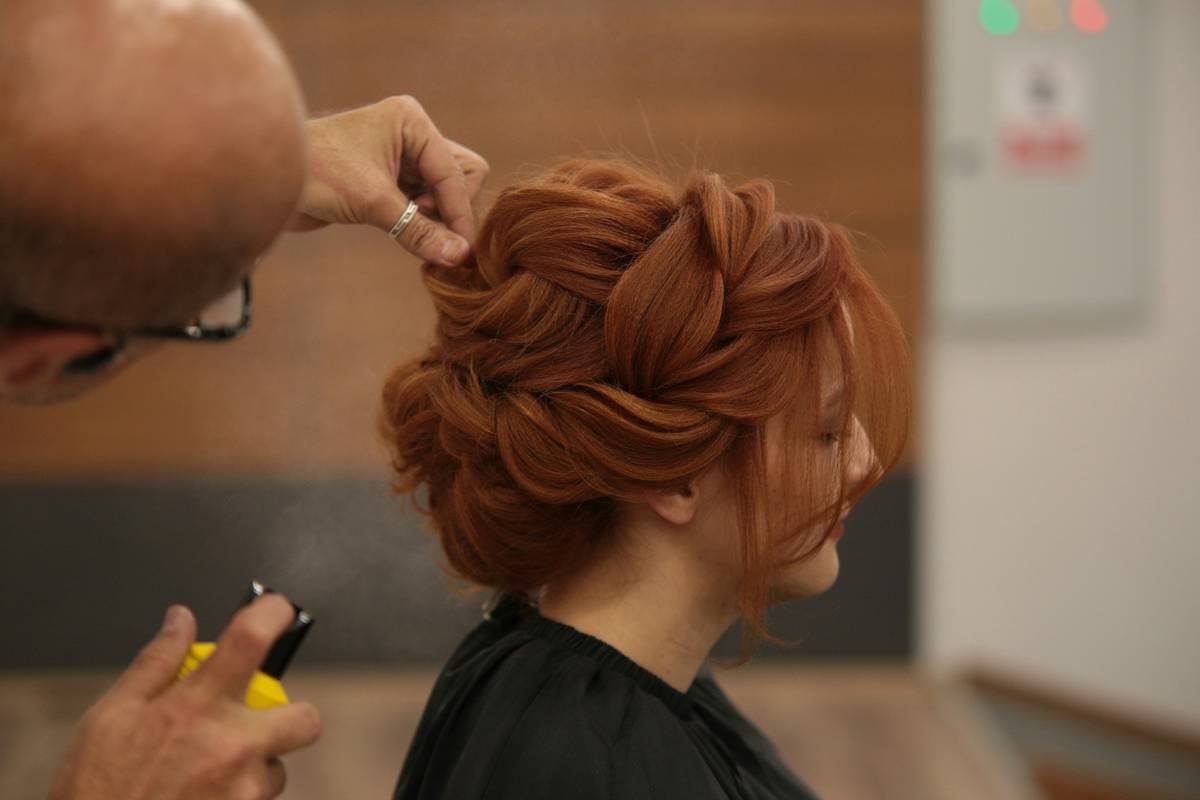
How to Choose Hair Clips That Actually Work
What’s the best hair clip for thick, coarse hair?
Opt for wide-jaw metal spring clips (like Goody Ouchless Max Hold). Their dual-prong design distributes tension evenly—critical for preventing snagging. Avoid decorative resin clips; their smooth interior slips right off dense strands.
What about fine or thinning hair?
Fine hair needs grip without weight. Look for mini duckbills with rubberized tips (Scünci Nano Grips are my go-to). Pro move: lightly backcomb the section before clipping—it creates “tooth” for better hold without damage.
Can clips really style curls?
Absolutely. Clip-setting damp curls with flexi-rods or satin-covered butterfly clips enhances definition while reducing frizz. A 2021 study in the Journal of Cosmetic Dermatology found that clip-based curl setting caused 40% less cuticle disruption than diffusing on high heat.
Grumpy You: “Ugh, fine—but only if coffee’s involved.”
Optimist You: “Follow these tips! Your morning routine will shrink by 10 minutes.”
Pro Tips for Everyday Use & Special Occasions
- Prep > Product: Always apply a light-hold mousse or cream before clipping. Dry hair slides; prepped hair grips.
- Layer strategically: For volume at the crown, lift sections vertically and clip at the root—don’t clamp horizontally. This mimics the lift of a round brush.
- Cool-down clips = heatless waves: After a warm shower, twist damp hair into two loose buns secured with spiral hairpins (not elastics!). Wake up with mermaid waves—zero thermal damage.
- Clean regularly: Residue from sprays builds up on clip interiors. Wipe with isopropyl alcohol weekly to maintain grip.
- Rotate your stash: Even quality clips lose spring tension after 6–12 months of daily use. Retire weak ones to ponytail duty.
The Terrible Tip No One Admits
“Use your claw clip to pull hair super tight for a sleek look!” NO. This strains follicles at the hairline and can trigger traction alopecia—a real condition documented by the American Academy of Dermatology. Tight ≠ polished. Precision does.
Rant Section: My Niche Pet Peeve
Stop calling all claw clips “slip-proof”! Marketing lies are why my client Sarah lost three inches of frontals after sleeping in a $28 “grip-tech” clip that was just glossy plastic with no texture. If it doesn’t list material specs or spring gauge? Assume it’s decorative-only.
Real Stylist Case Studies: When Clips Saved the Day
Case 1: The Humidity Rescue (Miami Bridal Shoot)
Outdoor wedding. 90°F with 80% humidity. Bride’s fine, straight hair kept falling flat. Instead of reapplying hairspray (which would’ve melted), I clipped vertical 1-inch sections all over her head while she sat under a fan. After 15 minutes, removed clips—boom, natural volume that lasted through the veil toss.
Case 2: Repairing Heat Damage (Client With Breakage)
Client came in with fried ends from daily flat iron use. We switched her routine to “clip-curling”: using satin-lined butterfly clips on twisted sections overnight. Within 8 weeks, new growth appeared healthier—and she ditched heat entirely. Her secret? Clips doubled as styling + protection.
FAQs About Hair Clips as Styling Tools
Are metal hair clips bad for your hair?
Not inherently—but uncoated metal can snag cuticles. Opt for nickel-free, coated springs (like those from Kitsch or Scünci). For color-treated hair, avoid metal altogether to prevent oxidation.
Can I use hair clips on wet hair?
Yes, but choose non-porous materials like acetate or silicone. Matte plastic absorbs moisture, weakens faster, and promotes mildew in humid climates.
How do I stop my claw clip from sliding out?
Two fixes: (1) Tease the base of your ponytail lightly before clipping, or (2) wrap a small hair tie around the clip’s hinge to increase tension. Works like a charm.
Are expensive hair clips worth it?
Sometimes. Brands like French Girl or Slip invest in ergonomic engineering and dermatologist-tested coatings. But drugstore Goody Ouchless clips perform shockingly well for sectioning—just avoid their ultra-cheap glitter versions.
Conclusion
Hair clips aren’t just afterthoughts—they’re precision instruments in disguise. Whether you’re battling humidity, avoiding heat damage, or crafting red-carpet updos, the right clip delivers control, protection, and polish without frying your strands. Treat them like the hair styling tools they truly are: choose intentionally, maintain diligently, and never underestimate their power to transform your routine.
And hey—if your next updo holds through a windstorm, thank your clips. Not your curling iron.
Remember: Like a Tamagotchi, your healthy hair needs daily care… and the occasional well-placed clip.

