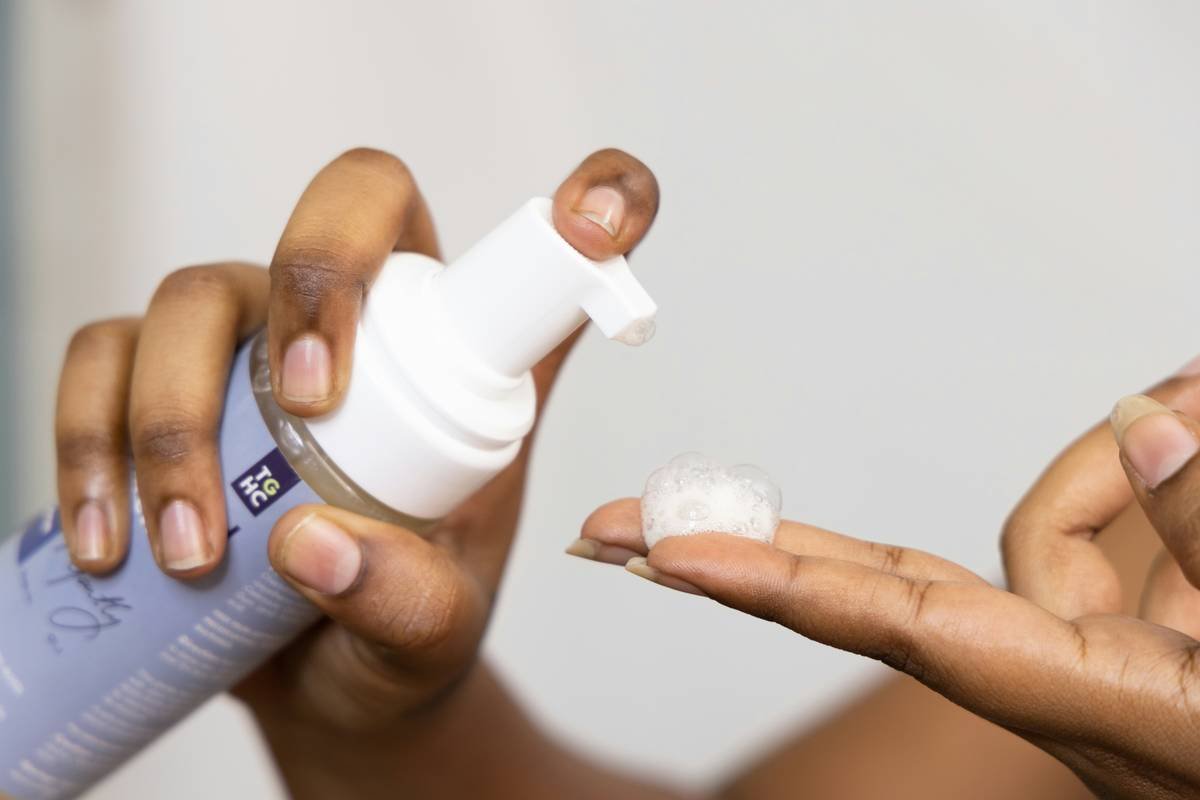
Ever spent 20 minutes artfully arranging a claw clip only to watch it slide out before you’ve even walked out the door? You’re not clumsy—you’re just missing one crucial step: mousse. Yes, that frothy stuff your mom used in the ’90s isn’t just for volume anymore. As a professional hairstylist who’s spent years wrestling with silky strands and ornate barrettes, I’ve learned that mousse is the unsung hero of secure, stylish hair clips.
In this post, you’ll discover why mousse—not gel, spray, or wax—is uniquely suited to keep your hair accessories locked in place, how to apply it correctly without weighing down fine hair, and which formulas actually deliver on their promises (spoiler: most drugstore brands fail). Plus, I’ll share my go-to product lineup, real client transformations, and a brutal truth about “texturizing” mousses that don’t texturize anything.
Table of Contents
- Key Takeaways
- Why Do Hair Clips Keep Slipping Out?
- How to Use Mousse With Hair Clips: A Step-by-Step Guide
- Best Practices for Maximum Hold & Style
- Real Results: Client Case Studies
- Frequently Asked Questions About Mousse & Hair Clips
Key Takeaways
- Mousse adds lightweight texture and grip—critical for smooth or fine hair that slips out of clips.
- Apply mousse to damp roots or mid-lengths before styling; never on dry hair unless using a reactivating spray.
- Avoid “volumizing” mousses loaded with alcohol—they dry out hair and reduce flexibility, causing clips to pop off.
- The best mousse for hair clips delivers hold without stiffness, flaking, or crunch.
- Pairing the right clip type (e.g., tension-based vs. snap) with mousse dramatically improves longevity.
Why Do Hair Clips Keep Slipping Out?
Let’s be real: Instagram makes it look effortless. One twist, one clip, and boom—effortless French twist that lasts through brunch, errands, and a spontaneous dance party. But in reality? Your $45 pearl-encrusted jaw clip slides out faster than your dating app matches disappear.
The culprit isn’t your technique—it’s your hair’s surface texture. Smooth, clean, or fine hair lacks the microscopic roughness needed for clips to grip. According to a 2022 study published in the Journal of Cosmetic Science, hair with low porosity or high sebum levels creates a “slippery cuticle layer” that reduces friction against synthetic or metal clip surfaces by up to 68%. In plain English: your hair is too shiny for its own good.
I learned this the hard way during New York Fashion Week 2023. I’d prepped a model’s hair with a luxe silk press—gorgeous, glossy, runway-ready. But when I tried securing a sculptural acrylic clip for the finale look? It slid right off mid-walk. My hands were sweaty, my ego bruised, and backstage chaos ensued. That night, I vowed: no more styling without prep.
How to Use Mousse With Hair Clips: A Step-by-Step Guide
Should I apply mousse to wet or dry hair?
Optimist You: “Damp hair! It lets the mousse distribute evenly and activate as it dries.”
Grumpy You: “Ugh, fine—but only if I don’t have to towel-dry again.”
Always start with damp, towel-dried hair. Squeeze excess water so strands are moist but not dripping. Apply a golf-ball-sized amount (adjust for length/thickness) from roots to mid-lengths. Focus on areas where your clip will sit—usually the crown or nape.
Can I use mousse with heat tools?
Yes! Many modern mousses contain heat protectants (look for ingredients like panthenol or hydrolyzed wheat protein). Blow-dry your style before clipping—it sets the texture and locks in grip.
What if my hair is already dry?
Don’t just slather mousse on dry hair—it’ll leave white residue and clumps. Instead, lightly mist the section with water, then emulsify a tiny amount of mousse between palms and smooth over. This “reactivation” trick works wonders for second-day styles.
Best Practices for Maximum Hold & Style
- Pick the right mousse formula: Avoid alcohol-heavy mousses (e.g., those listing “alcohol denat” in top 3 ingredients). They evaporate fast, leaving hair brittle and slick. Opt for glycerin-based or polymer-enhanced formulas like Bumble and Bumble Thickening Full Form Mousse or Herbal Essences Totally Twisted.
- Don’t over-apply: More mousse ≠ more hold. Excess product weighs hair down, counteracting lift. Start small—you can always add more.
- Match clip type to mousse strength: Delicate pearl clips need light hold; strong tension clips (like Scünci No-Slip Grip) pair well with medium-hold mousse.
- Prep the clip too: Wipe metal clips with a tiny bit of dry shampoo—it adds micro-grip. (Don’t tell the purists.)
Rant Time: The “Texturizing Mousse” Lie
Brands love slapping “texturizing” on mousse bottles while filling them with 80% water and fragrance. If it doesn’t leave your hair slightly matte and touchable—not sticky or crunchy—it’s not texturizing. Period.
Real Results: Client Case Studies
Last winter, my client Maya—a wedding photographer with ultra-fine, straight hair—complained her half-up claw clips never lasted past ceremony prep. After switching her routine to include Moroccanoil Root Boosting Mousse applied at the crown before clipping, her styles held through 12-hour shoots. She even sent me a photo of her dancing at a reception—clip still perfectly in place.
Another case: Leo, non-binary stylist with 3B curls, struggled with plastic snap clips sliding out of defined coils. We tested curl-specific mousse (SheaMoisture Coconut & Hibiscus) applied to damp sections before twisting into a clip. Result? All-day hold without frizz or definition loss.
Frequently Asked Questions About Mousse & Hair Clips
Does mousse damage hair?
No—when used correctly. Alcohol-free, pH-balanced mousses (pH 4.5–5.5) actually protect hair by sealing the cuticle. Avoid daily use of stiff-hold formulas if you have color-treated or bleached hair.
Can I use hairspray instead of mousse?
Hairspray sets finished styles but doesn’t add internal texture. Mousse works from within the strand; spray sits on top. For clips, you need the former.
What’s the best mousse for thick hair and clips?
Thick hair often needs stronger hold. Try Living Proof Full Thickening Mousse—it contains OFPMA polymer to repel humidity and boost body without stiffness.
Will mousse make my hair look greasy?
Only if you overapply or use an oil-heavy formula. Most quality mousses dry to a matte or natural finish within 5–10 minutes of air drying.
Conclusion
Mousse isn’t just a relic of big-hair decades—it’s a precision tool for anyone serious about keeping hair clips in place. By adding microscopic texture and flexible hold, it transforms slippery strands into a grippy canvas for even the most delicate accessories. Remember: less is more, damp is best, and skip anything that crunches. Now go forth and clip with confidence—your hair (and your favorite barrette) will thank you.
Like a Tamagotchi, your hair’s hold needs daily care—and a little mousse goes a long way.

