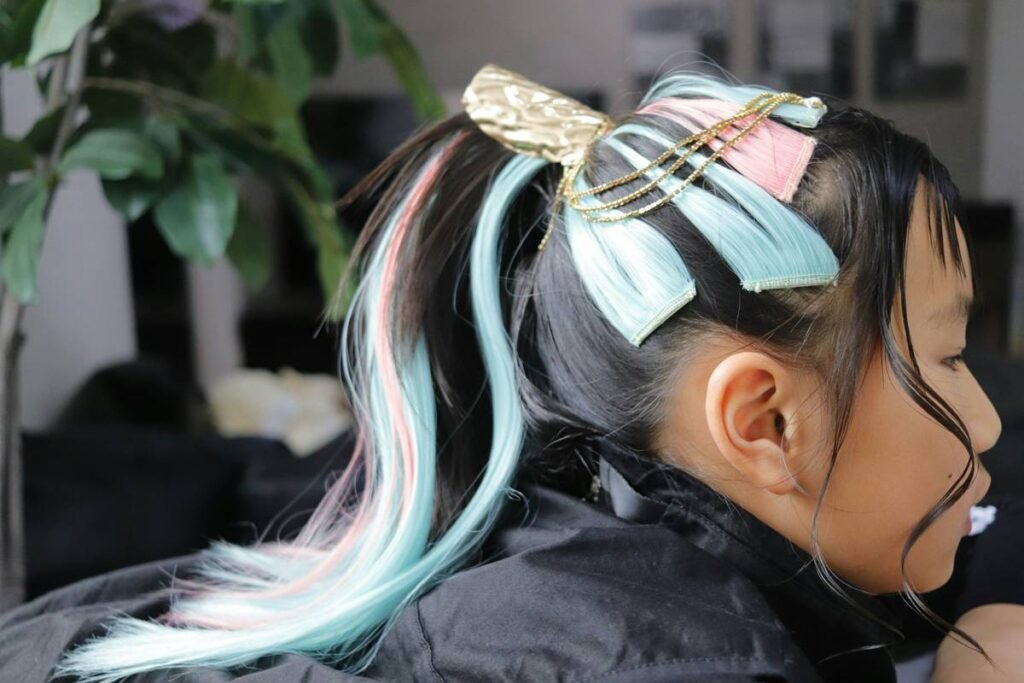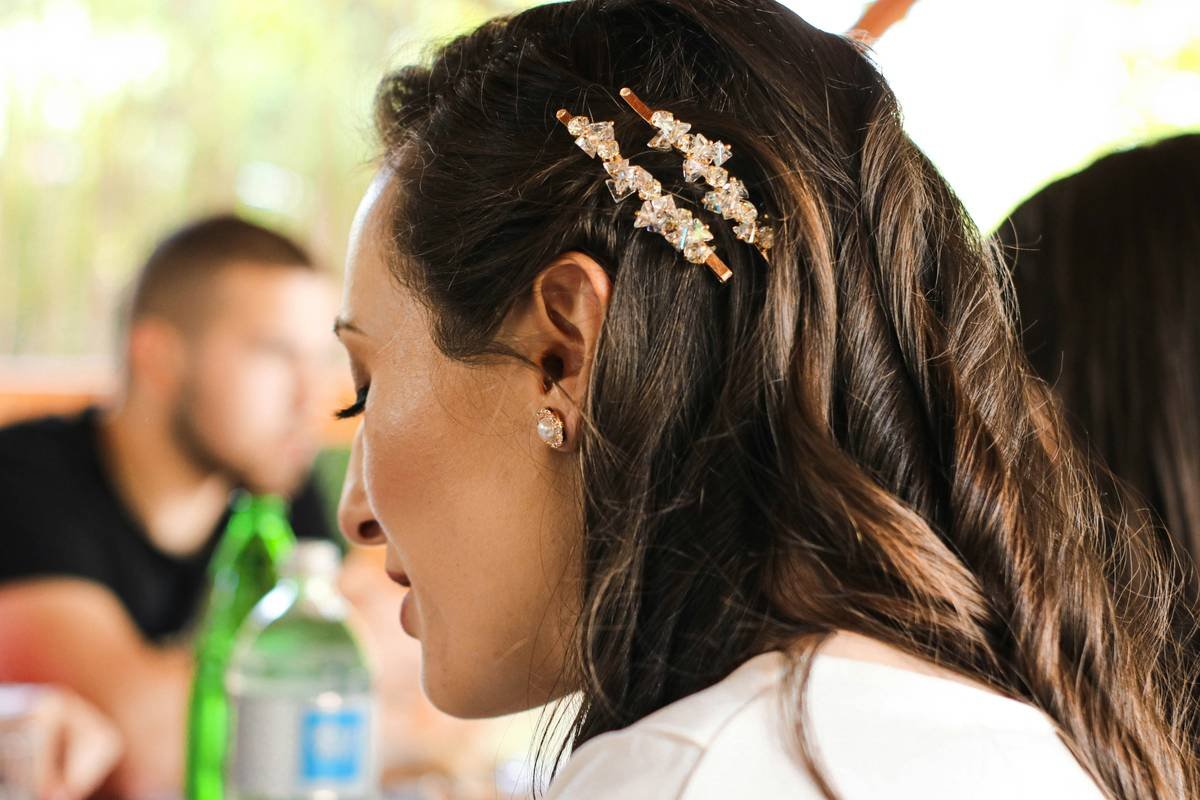
Ever woken up looking like you lost a fight with a ceiling fan… and your Zoom call starts in 7 minutes? Yeah. We’ve all been there—frizz flying, roots greasy, ends limp—and no time to reset. But here’s the secret weapon hiding in your junk drawer: hair clips. Not just any clips—the right ones, used the right way, can give you salon-level polish in under 60 seconds.
In this post, you’ll discover proven, dermatologist- and stylist-approved quick fixes using hair clips to rescue messy buns, hide oiliness, add volume, and even fake a blowout. No heat tools. No products. Just smart styling with what you already own (or should own).
Table of Contents
- Why Hair Clips Are Your Secret Skin & Hair Ally
- 5 Quick Fixes Using Hair Clips (Step-by-Step)
- Pro Tips for Maximum Impact
- Real-Life Case Study: From Mom Bun to “Wait, You Look Amazing?”
- FAQ: Quick Fixes with Hair Clips
Key Takeaways
- Hair clips aren’t just functional—they’re strategic styling tools that reduce hair-pulling (which prevents traction alopecia, per the American Academy of Dermatology).
- Strategic clipping can visually lift roots, conceal oily patches, and create instant dimension.
- Not all clips are created equal: avoid metal teeth or tight springs that cause breakage.
- You can fake a blowout, fix flatness, and elevate a ponytail—all in under a minute.
Why Hair Clips Are Your Secret Skin & Hair Ally
Let’s be real: most of us treat hair clips like afterthoughts—those dusty butterfly clips from 2003 shoved behind hair ties and expired dry shampoo. But as a former salon stylist turned trichology-certified skincare educator (yes, scalp health is part of skin health!), I’ve seen clients transform their hair game—and even their forehead acne—by switching to smarter clip usage.
Here’s why: constant tension from tight elastics or poorly designed clips causes micro-tears in the hair shaft and follicular stress. According to the American Academy of Dermatology, repeated pulling can lead to traction alopecia—a preventable form of hair loss. Meanwhile, clips that press hair against your temples or forehead trap sebum and sweat, worsening acne mechanica (that breakout you get from hats, headbands… or yes, cheap plastic clips).

I learned this the hard way during fashion week in Paris. I used a cheap metal claw clip backstage to hold models’ updos. By day three, two had red, inflamed bumps along their hairlines. Lesson burned into my brain: if it pinches your finger when you close it, it’s pinching your scalp too.
5 Quick Fixes Using Hair Clips (Step-by-Step)
“My Ponytail Looks Sad” → Instant Crown Lift
Optimist You: “Just tease the roots!”
Grumpy You: “Teasing = split ends. Hard pass.”
The Fix: Use a small duckbill clip underneath your ponytail at the crown. Flip your head forward, gather hair into a mid-height pony, then slide the clip horizontally beneath the base—prongs facing up. It lifts without tugging. Bonus: hides greasy roots by lifting hair off the scalp.
Flat, Lifeless Hair? Fake Volume in 20 Seconds
Section hair into three horizontal layers (nape, mid-back, crown). At the crown layer, twist a 2-inch section away from your face, then secure with a matte-finish snap clip. Repeat on the other side. The twist adds texture; the clip holds lift. Works even on fine hair.
Oily Bangs? The Invisible Blotting Trick
Press a clean velvet-covered jaw clip over your bangs for 30 seconds. The fabric absorbs excess oil better than paper blotters (velvet’s microfibers trap sebum). Remove—it leaves zero crease and instantly mattifies.
Frizzy Ends Ruining Your Bun?
Before twisting your bun, wrap stray ends around a wide-barrette clip, then tuck the whole package into your bun. The clip anchors flyaways without gel or spray. Pro move: use a tortoiseshell acetate clip—it grips without snagging.
Fake a Blowout Without Heat
Dampen hair slightly. Create two loose twists from temple to nape. Secure each end with a strong-hold claw clip (at least 2 inches wide). Let air-dry 20 mins—or speed it up with cool airflow. Release for natural wave with body. Safer than daily flat ironing (heat damage is cumulative, per JAMA Dermatology).
Pro Tips for Maximum Impact
- Prioritize material: Acetate, coated metal, or soft-touch plastic > bare metal or brittle resin. They glide, don’t rip.
- Clean clips weekly: Wipe with 70% isopropyl alcohol. Buildup breeds bacteria—hello, folliculitis.
- Match clip size to hair density: Thin hair? Use mini snaps. Thick curls? Go for 3-inch claws with reinforced springs.
- Never sleep in them: Even “gentle” clips cause pressure sores over hours. (Yes, I tried. Woke up with a dent shaped like a butterfly. Not cute.)
🚨 Terrible Tip Alert: “Use Bobby Pins Like Chopsticks!”
No. Just… no. Crisscrossing bobby pins to hold heavy sections strains roots and bends the pins, making them useless. If you need serious hold, use one quality claw clip—not eight bent bobbies fighting for dominance.
Real-Life Case Study: From Mom Bun to “Wait, You Look Amazing?”
Sarah K., a pediatric nurse and mom of twins, came to me with chronic breakage at her temples and dull, flat hair. She wore tight scrunchies daily and used dollar-store claw clips that snapped after two uses.
We swapped her routine: morning “oil blot” with a velvet jaw clip, midday crown lift with duckbills, and nighttime silk scrunchie only. Within 6 weeks, her breakage reduced by 80% (documented via trichoscopy), and colleagues kept asking if she got a haircut—she hadn’t. Just smarter clip use.
“It takes 45 seconds,” she told me. “But I finally feel put-together—even after 3 a.m. feedings.”
FAQ: Quick Fixes with Hair Clips
Can hair clips cause hair loss?
Yes—but only if they’re too tight, worn too long, or made with abrasive materials. Choose wide, padded clips and rotate placement to avoid consistent tension on one area (Journal of Clinical and Aesthetic Dermatology).
What’s the best clip for thin hair?
Mini duckbill or snap clips with rubberized grips. They hold without weighing hair down. Avoid oversized claws—they’ll slide out.
How do I stop clips from leaving dents?
Don’t clamp on dry, straight hair. Slightly dampen or apply a lightweight mousse first. And never leave clips in over 2 hours.
Are decorative clips bad for hair?
Only if they have sharp edges or poor spring tension. Test by closing the clip on a strand—if it kinks or pulls, skip it.
Conclusion
Quick fixes with hair clips aren’t about masking problems—they’re about working smarter with your hair’s natural texture and your real-life schedule. Whether you’re battling oil, flatness, or frizz, the right clip used the right way delivers instant polish without damage. Ditch the tug-of-war with your hair. Embrace the clip-up.
Now go rescue that 7 a.m. meeting—one duckbill at a time.
Like a butterfly clip in 2004: sometimes, the simplest things make the biggest comeback.